What Is Bronchiectasis?
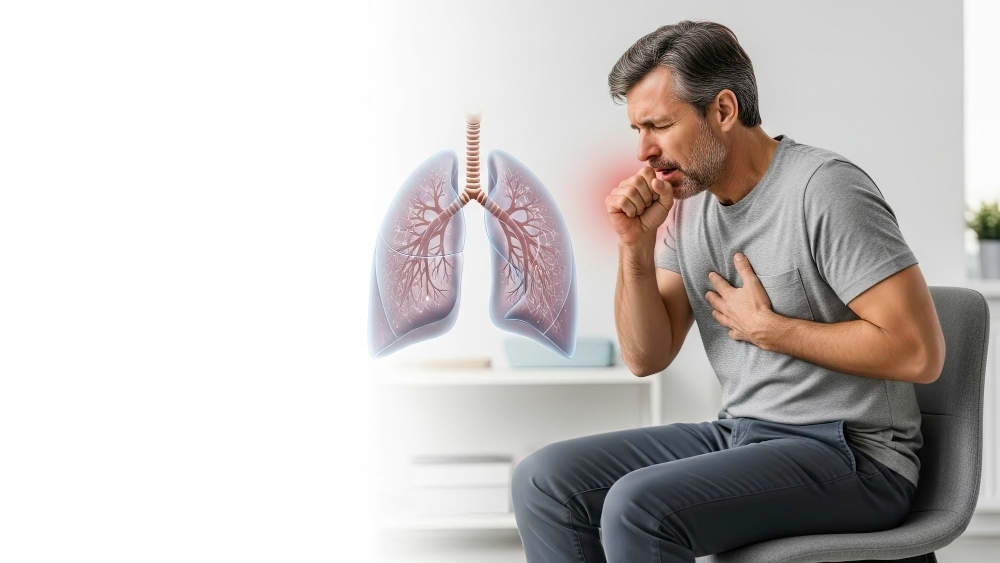
Bronchiectasis is a long-term lung condition. It happens when the airways in your lungs become damaged and wide. Because of this damage, mucus builds up in the airways. As a result, people with bronchiectasis often get repeated lung infections. These infections can make breathing harder and cause coughing.
How Do Airways Become Damaged?
Airways can become damaged after an infection or injury. For example, a severe lung infection like pneumonia can harm the airway walls. Over time, this damage makes the airways weak and floppy. In addition, some people are born with conditions that make their airways more likely to get hurt. Once the airways are damaged, they cannot clear mucus well. This makes it easier for germs to grow.
Why Do Damaged Airways Lead to Repeated Lung Infections?
When airways are damaged, they cannot move mucus out of the lungs as they should. Because mucus stays in the lungs, it becomes a place where bacteria and viruses can grow. As a result, people with bronchiectasis get repeated lung infections. Each infection can cause more damage, which makes future infections more likely. Over time, this cycle can make breathing problems worse.
Common Symptoms of Bronchiectasis
Bronchiectasis symptoms can vary. However, many people notice:
Because these symptoms can look like other lung problems, it is important to talk to a doctor if they do not go away.
Causes and Risk Factors
Several things can cause bronchiectasis. For instance, past lung infections like tuberculosis or pneumonia can damage airways. Some people have immune system problems that make infections more likely. In addition, inherited diseases like cystic fibrosis can lead to bronchiectasis. Other risk factors include:
According to the World Health Organization, early treatment of lung infections can lower the risk of bronchiectasis.
Diagnosis of Bronchiectasis
Doctors use several steps to diagnose bronchiectasis. First, they will ask about your symptoms and medical history. Next, they may listen to your lungs with a stethoscope. To see the airways, doctors often order a chest CT scan. This test gives a clear picture of the lungs. In some cases, they may also test your mucus or do breathing tests. Because early diagnosis helps prevent more damage, it is important to see a doctor if you have ongoing symptoms.
Treatment Options
There is no cure for bronchiectasis, but treatment can help manage symptoms and prevent repeated lung infections. Common treatments include:
Sometimes, doctors may suggest surgery if other treatments do not help. However, most people can manage bronchiectasis with regular care.
Lifestyle Tips for Managing Bronchiectasis
With the right steps, you can lower your risk of repeated lung infections. For example, staying active helps keep your lungs strong. In addition, drinking plenty of water can thin mucus. Try these tips:
Because bronchiectasis is a long-term condition, these habits can make a big difference.
Prevention and Reducing Infection Risk
While not all cases of bronchiectasis can be prevented, you can reduce your risk of repeated lung infections. For instance, getting vaccinated against flu and pneumonia helps protect your lungs. If you have a cold or chest infection, seek treatment early. In addition, avoid contact with people who are sick. Practicing good hygiene, such as washing hands often, can also help.
Conclusion:
Bronchiectasis causes permanent widening and damage of the airways, making it harder to clear mucus and increasing the risk of repeated infections. Early evaluation, proper management, and regular follow-up can help improve breathing health and quality of life.
Experiencing frequent cough, mucus production, or repeated lung infections?
Consult Dr. Ankur Saini for expert evaluation and personalised respiratory care.