
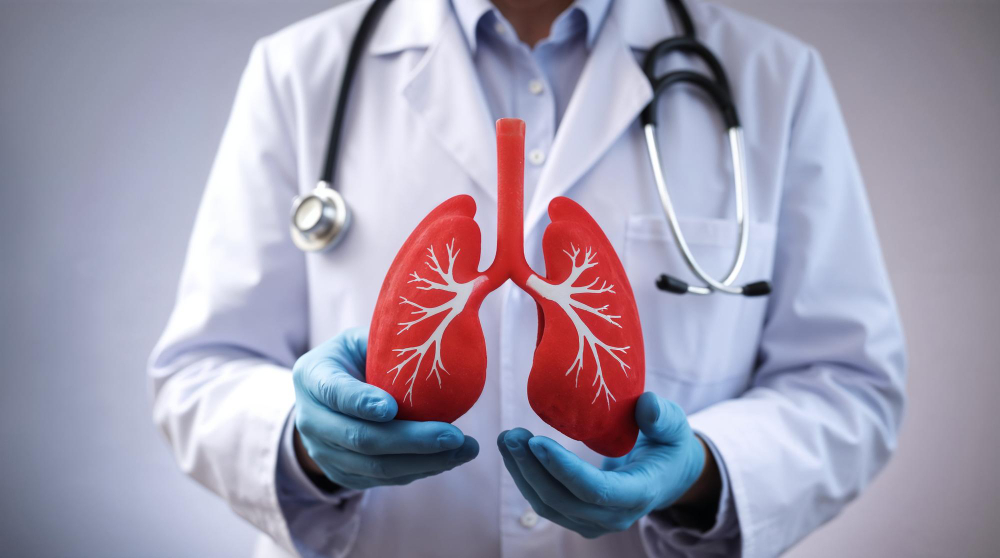
What is Acute Exacerbation of COPD?
Acute Exacerbation of COPD is a sudden worsening of symptoms in people with chronic obstructive pulmonary disease. COPD is a long-term lung condition that makes breathing hard. During a flare-up, symptoms like coughing, shortness of breath, and chest tightness get worse quickly. Because these episodes can be serious, it is important to know what to look for and how to respond. According to the World Health Organization, COPD is a leading cause of illness worldwide.
Common Symptoms
During an acute COPD flare-up, symptoms can change fast. For example, you may notice:
Because these symptoms can get worse quickly, it is important to pay attention to any changes.
Causes and Risk Factors
Many things can trigger an acute exacerbation of COPD. Often, infections or irritants are to blame. For instance, common causes include:
Some people are more at risk. For example, those who smoke, have other health problems, or have had flare-ups before may have a higher chance of an episode.
How is it Diagnosed?
Doctors use several steps to diagnose an acute exacerbation of COPD. First, they will ask about your symptoms and medical history. Next, they may listen to your lungs with a stethoscope. Sometimes, tests are needed, such as:
Because early diagnosis helps prevent complications, it is important to see a doctor if symptoms get worse.
Treatment Options
Treatment for an acute COPD flare-up aims to ease symptoms and prevent further problems. Doctors may suggest:
In some cases, people may need to stay in the hospital. However, many can recover at home with the right care and medicines.
Prevention Tips
While not all flare-ups can be avoided, you can lower your risk. For example, try these tips:
Because prevention is key, talk to your doctor about a plan that works for you.
When to See a Doctor
Sometimes, a COPD flare-up can become an emergency. You should seek medical help right away if you:
Even if symptoms seem mild, it is always better to check with your doctor if you are unsure.
In summary, knowing the signs and causes of an acute exacerbation of COPD can help you act quickly. Consult a pulmonologist Dr. Ankur Saini for personalized advice and early management of COPD exacerbations.