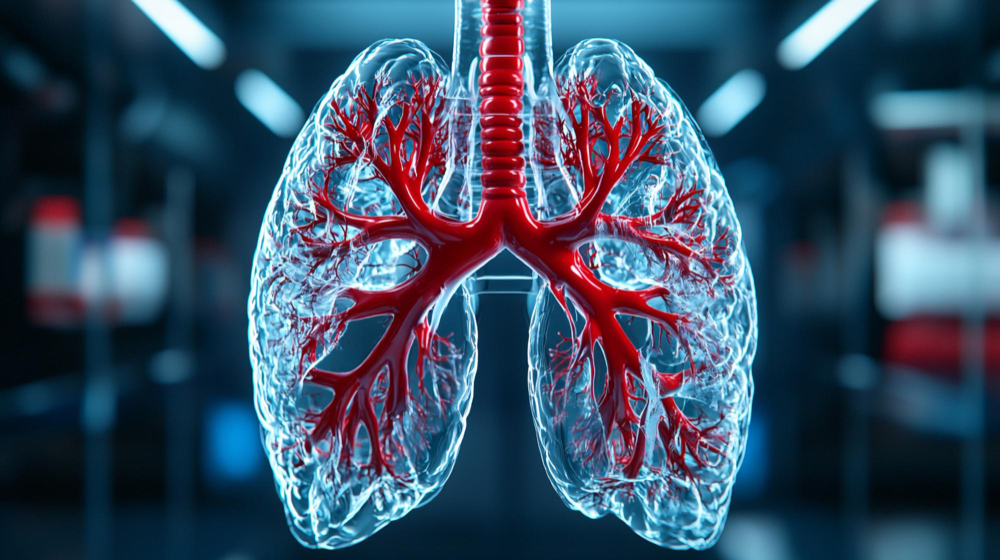
Pulmonary embolism is a serious health problem that often goes unnoticed at first. It happens when a blood clot blocks blood flow in the lungs. Because of this, the body may not get enough oxygen. Even though it can be silent, a pulmonary embolism can be life-threatening if not treated quickly. Many people do not know they have a blood clot in their lungs until symptoms appear. Therefore, learning about pulmonary embolism, its symptoms, and ways to prevent it is very important.
What Is Pulmonary Embolism?
Pulmonary embolism, often called PE, is a blockage in one of the lung arteries. Most often, a blood clot travels from the leg or another part of the body to the lungs. Once the clot reaches the lungs, it blocks blood flow. As a result, the lungs cannot work as they should. Sometimes, small clots cause mild symptoms. However, large clots can be deadly. For this reason, doctors treat pulmonary embolism as a medical emergency.
Common Symptoms of Pulmonary Embolism
Symptoms of a pulmonary embolism can be different for each person. Some people may have only mild signs, while others may feel very sick. Still, it is important to know the common symptoms. Early treatment can save lives. Watch for these signs:
Sometimes, symptoms are mild or mistaken for other problems. For example, chest pain may feel like a heart attack. Because of this, it is important to seek help if you notice these signs.
Main Causes and Risk Factors
Usually, a pulmonary embolism starts with a blood clot in the leg, called deep vein thrombosis (DVT). The clot can break loose and travel to the lungs. However, some people are more at risk than others. Common risk factors include:
Because travel can increase risk, people who fly or drive long distances should take extra care. In addition, older adults and those with certain health problems face higher risk.
How Pulmonary Embolism Is Diagnosed
Doctors use several tests to find out if you have a pulmonary embolism. First, they ask about your symptoms and medical history. Next, they may check your oxygen levels and heart rate. Often, doctors use these tests:
Because symptoms can look like other illnesses, quick and accurate testing is key. Early diagnosis helps prevent serious problems.
Treatment Options for Pulmonary Embolism
Treating pulmonary embolism right away is very important. The main goal is to stop the clot from getting bigger and prevent new clots. Doctors may use several treatments:
Most people need to take blood thinners for several months. Sometimes, people with a high risk of future clots may need long-term treatment. Because each case is different, doctors choose the best plan for each person.
Lifestyle Tips for Recovery and Management
After treatment, it is important to take steps to recover and lower your risk of another clot. Simple lifestyle changes can make a big difference. For example, you can:
Because recovery can take time, be patient with your body. If you notice new symptoms, contact your healthcare provider right away.
Preventing Pulmonary Embolism
Preventing blood clots is the best way to avoid pulmonary embolism. Many steps are easy to add to your daily routine. For instance, you can:
Because some people have a higher risk, doctors may suggest blood thinners before surgery or during long hospital stays. With the right steps, you can lower your risk of pulmonary embolism and stay healthy.
Consult Dr. Ankur Saini now.